If you source silicon for an industrial process, you have almost certainly seen both terms used — sometimes for the same bag of material, sometimes for very different products. "Silicon metal powder" and "silicon powder" are often treated as synonyms, but the words can hide real differences in purity, particle size and intended use. This guide explains what each term usually means and how to specify exactly what you need.
The short answer
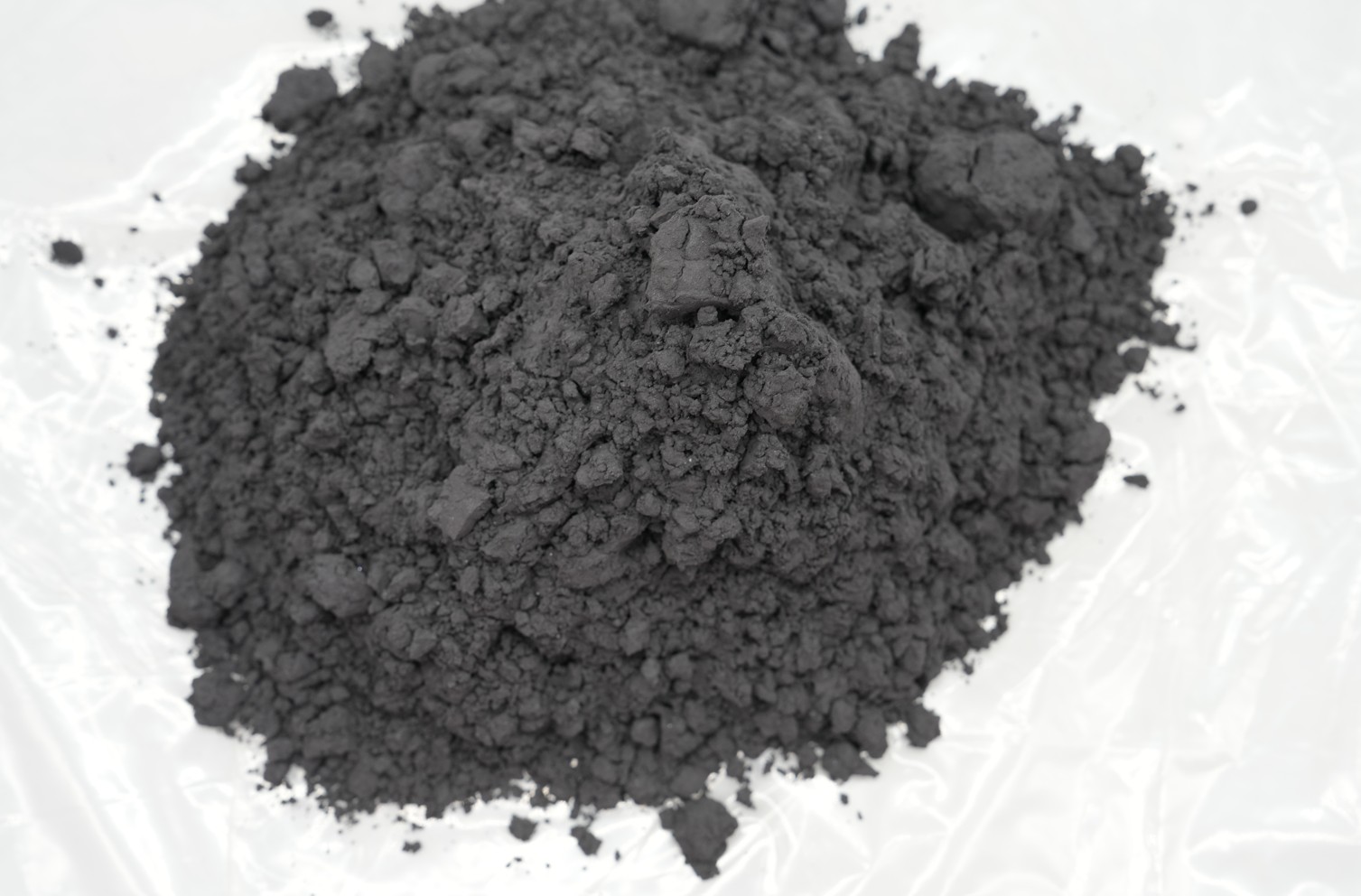
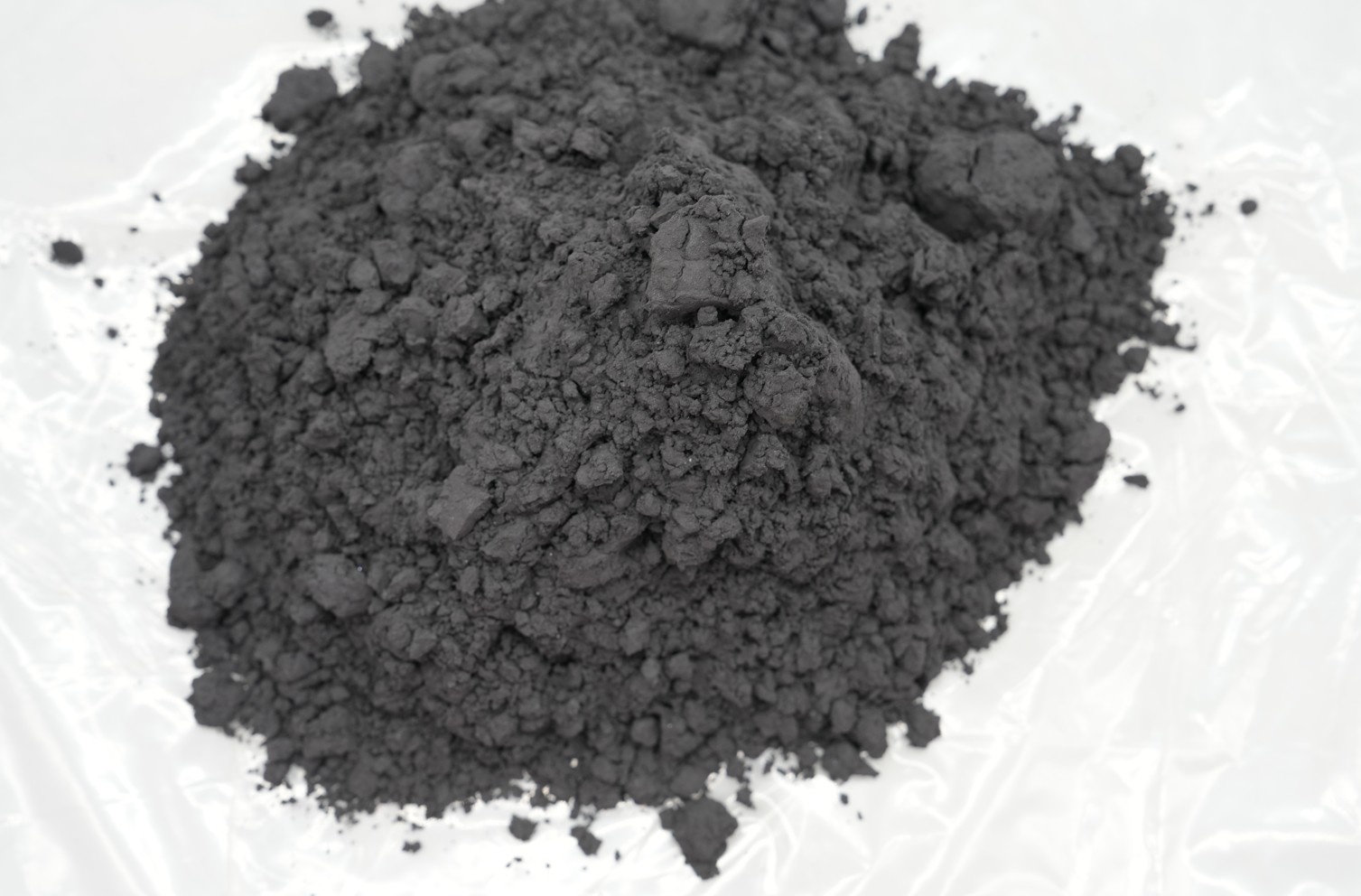
In day-to-day B2B trade, silicon metal powder and industrial silicon powder almost always mean the same thing: metallurgical-grade silicon metal (typically 98%–99% Si) that has been crushed and milled into a powder. The word "metal" simply emphasises that the starting material is silicon metal lump, not a silicon compound such as silica (SiO2) or silicon carbide.
Confusion appears at the two ends of the purity scale:
- At the low-purity end, "silicon powder" is occasionally used loosely for ferrosilicon powder or even silica fume — which are chemically different materials. Always confirm it is silicon metal, not a silicon alloy or oxide.
- At the high-purity end, "high purity silicon powder" (3N–5N, i.e. 99.9%–99.999%) is a distinct, higher-value product made for electronics, photovoltaic and battery use.
Silicon metal powder (industrial silicon powder)
This is the workhorse product. It is produced by crushing and air-classifying selected silicon metal lump into a controlled particle size — commonly anywhere from 45 micron up to 500 micron, with custom particle size distribution (PSD) on request. Typical grades are Si ≥ 98% and Si ≥ 99%, with iron, aluminium and calcium controlled to the buyer's specification.
It is the base raw material for the silicone (organosilicon) industry, refractories, silica sol and a range of chemical syntheses, where consistent chemistry and PSD directly affect reaction rate and yield.
High purity silicon powder
High purity silicon powder is a different commercial product, graded by purity rather than by metallurgical grade number:
- 3N (≥ 99.9%) — high purity ceramics, advanced materials, alloy additives
- 4N (≥ 99.99%) — electronic materials and silicon-based battery anode materials
- 5N (≥ 99.999%) — semiconductor, photovoltaic and aerospace applications
If your process is sensitive to trace impurities — solar cells, semiconductors, lithium-ion battery anodes — you need high purity silicon powder, not standard industrial silicon powder.
How they compare
| PropertySilicon Metal PowderHigh Purity Silicon Powder | ||
| Silicon content | 98% – 99% | 99.9% – 99.999% (3N–5N) |
| Graded by | Metallurgical grade (e.g. 553, 441) | Purity (3N / 4N / 5N) |
| Typical particle size | 45 – 500 micron, custom PSD | Custom fine PSD |
| Main uses | Silicone, refractory, silica sol, metallurgy | Solar, semiconductor, battery anode |
| Relative cost | Lower | Significantly higher |
How to specify what you actually need
To avoid receiving the wrong material, give your supplier these five points when you request a quote:
- Silicon content — e.g. Si ≥ 99%, or a target purity such as 4N
- Impurity limits — maximum Fe, Al, Ca (and any others critical to your process)
- Particle size — a target PSD or D50, or a mesh/micron range
- Application — so the supplier can recommend the right grade
- Quantity and packing — bag size, OEM packing, container quantity
FAQ
Is silicon powder the same as silica powder?
No. Silicon powder is silicon metal (the element). Silica powder is silicon dioxide (SiO2), an oxide — a completely different material used for different purposes.
Which grade do I need for the silicone industry?
The silicone (organosilicon) industry typically uses silicon metal powder at 98%–99% Si with a controlled particle size for the direct process. The exact PSD is matched to your reactor and process.
Can you supply a custom particle size?
Yes. Particle size distribution is processed to customer requirements, and a PSD report (laser diffraction) plus a Certificate of Analysis is provided with each batch.