p>Silicon metal powder is one of the most versatile industrial raw materials in modern manufacturing — feeding aluminum alloy plants, silicone chemical reactors, refractory producers and the solar supply chain alike. Yet "silicon metal powder" is not a single product. Purity, particle size and grade all change how the material behaves in your process. This guide explains what to specify, why it matters, and how to match a grade to your application.
What Is Silicon Metal Powder?
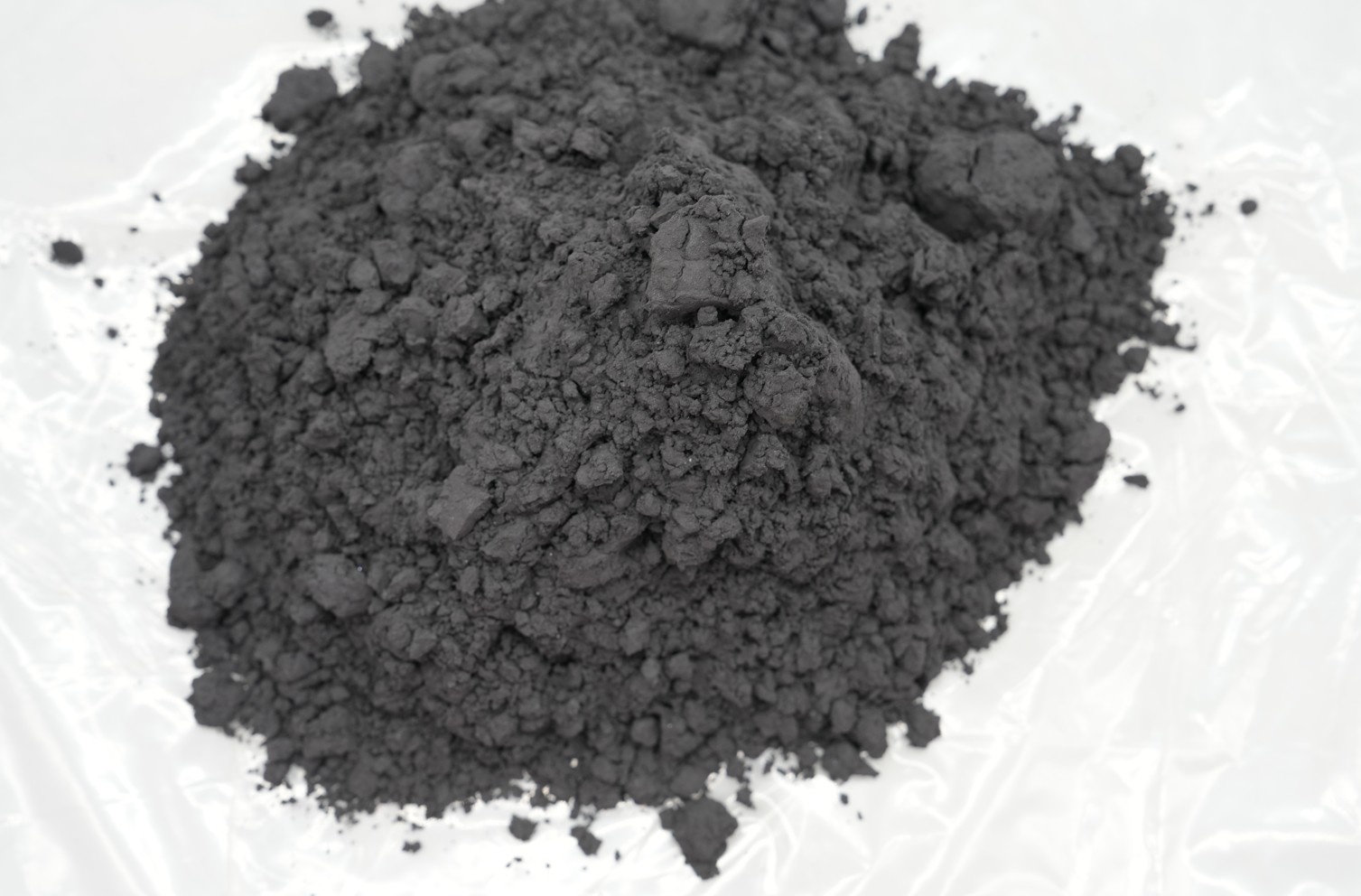
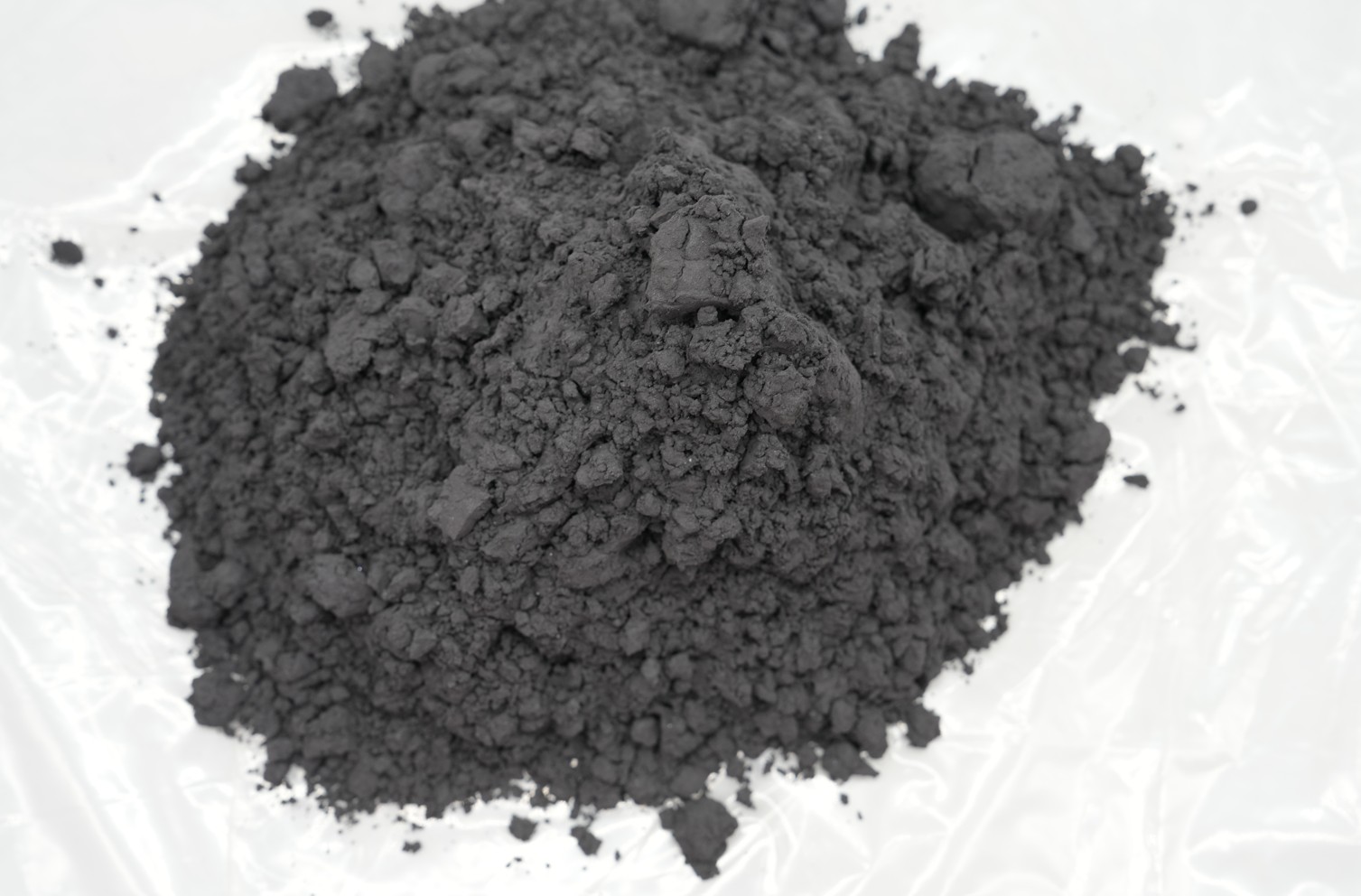
Silicon metal (also written as metallic silicon or industrial silicon) is produced by reducing high-grade quartz in a submerged-arc furnace. The solidified metal is then crushed and milled into powder. The result is a grey, hard, semi-metallic material valued for its high silicon content, chemical reactivity and thermal stability. In powder form it dissolves and reacts far faster than lump, which is exactly why it is preferred for metallurgical alloying and chemical synthesis.
Common Purity Grades
Purity is the first specification any buyer should fix. The grade you need is driven entirely by the end application:
- 98% Si — the workhorse grade for aluminum alloying, ferro-alloy and general metallurgical use, where trace iron and calcium are acceptable.
- 99% Si — tighter control of Fe, Al and Ca for silicone (organosilicon) chemistry and more demanding alloy work.
- High-purity 3N / 4N / 5N — 99.9% to 99.999% silicon for polysilicon, solar and advanced electronic-adjacent feedstock, where even ppm-level impurities matter.
When you request a quote, always state the application. A correct grade match prevents both over-paying for purity you don't need and costly process failures from impurities you can't tolerate.
Particle Size: The Specification People Forget
Particle size is as important as purity. Our standard silicon metal powder is supplied in the 45–500 µm range, and the right cut depends on how fast and how completely you need the silicon to react or disperse. Finer powders give faster dissolution and a more uniform reaction but are harder to handle and can be more reactive; coarser fractions are easier to feed and store. The correct answer is the one that matches your equipment and process — not simply "as fine as possible."
Where Silicon Metal Powder Is Used
- Aluminum & alloy production — added to improve castability, strength and corrosion resistance in aluminum-silicon alloys.
- Silicone (organosilicon) chemicals — the base feedstock for silicones, silanes, sealants and resins.
- Refractory & metallurgy — as a reactive additive and reducing agent in high-temperature processing.
- Solar & polysilicon supply chain — high-purity grades feed the upstream of solar-grade silicon production.
How to Specify and Order Correctly
To get an accurate quote and the right material the first time, share these four points with your supplier:
- Application — alloying, silicone chemistry, refractory, solar, etc.
- Purity grade — 98%, 99%, or a high-purity 3N–5N requirement.
- Particle size — a specific cut within 45–500 µm, or a furnace-charge blend.
- Volume & packaging — trial order vs. container quantity, and any packaging or labeling needs.
Quality Documentation
Every shipment should be backed by proper documentation. We provide a full Technical Data Sheet (TDS) and Material Safety Data Sheet (MSDS) for our silicon metal powder, so your QA and EHS teams have what they need before the material arrives.
Talk to Zhixin New Materials
Zhixin New Materials supplies silicon metal in powder, lump, granule and high-purity grades to industrial buyers across the EU and US. Tell us your application and we'll recommend the right grade and size — and send the TDS and MSDS up front. Request a quote through our contact form, or reach Jack directly on WhatsApp at +86 19574989725.